

Why Is a Specific Gravity Separator Indispensable in a Grain Cleaning Line?
By, WinTone 29 Oct, 2026
If you operate a flour mill, seed processing plant, or oil extraction facility, you know how challenging raw grain can be to handle. Freshly harvested grain is often contaminated with stones, mud clumps, husks, weed seeds, shriveled kernels, and moldy grains. While conventional screening machines can only separate materials based on size, they are completely ineffective against impurities that are similar in size to the grain itself. This is where the specific gravity separator becomes your most reliable cleaning equipment.
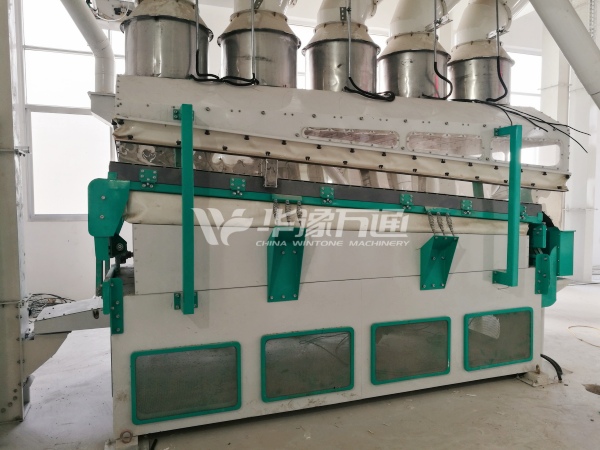
How Specific Gravity Separation Works
A grain specific gravity separator sorts materials based on differences in density. By combining mechanical vibration with adjustable airflow, it effectively separates heavy particles, such as stones and plump kernels, from lightweight impurities like empty husks, shriveled grains, and insect-damaged seeds.
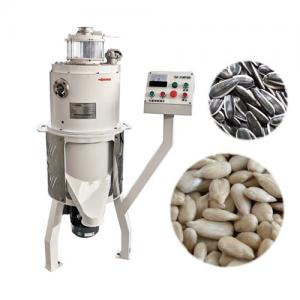
This equipment is extensively used for cleaning wheat, corn, rice, soybeans, sorghum, sunflower seeds, and rapeseed. Key application scenarios include grain storage intake, pre-cleaning in flour mills, raw material processing in oil mills, and seed grading. Beyond significantly improving grain quality, the specific gravity separator also prevents milling equipment from premature wear caused by stones.
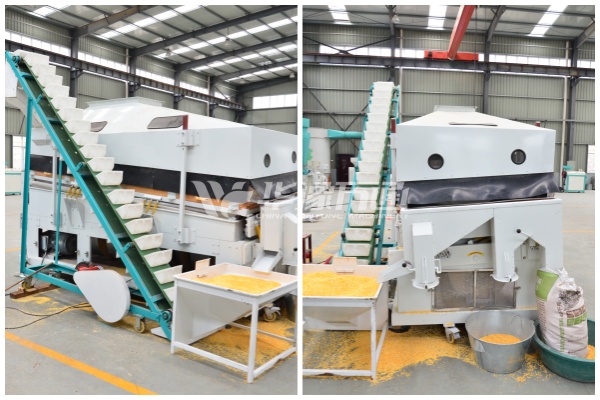
Optimizing Performance Through System Integration
To achieve the best cleaning results, a specific gravity separator is typically integrated into a complete cleaning system to maximize its efficiency. A pre-cleaner removes large impurities like straw and mud clumps to reduce the load on the gravity table. An air-screen cleaner extracts dust and light chaff before gravity separation, while a magnetic separator removes metal fragments to protect screens and motors. When these machines work in tandem, the entire production line runs more stably, and grain purity can reach up to 99%.
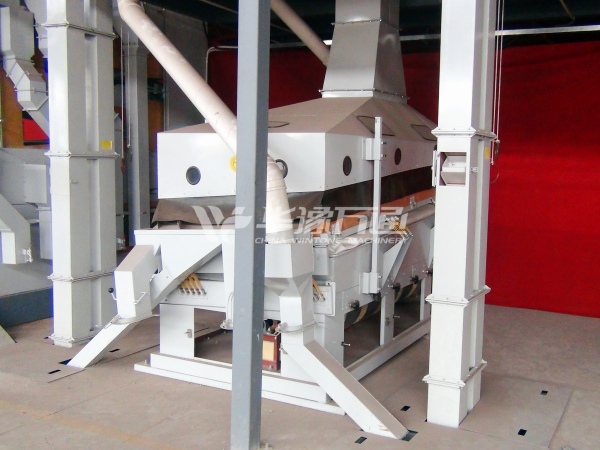
How to Choose the Right Equipment
The market offers both single-deck and double-deck specific gravity separators. Single-deck models are highly cost-effective and ideal for small-scale processing workshops. In contrast, double-deck models provide stricter separation standards, making them perfect for the seed industry and premium flour processing. Before placing an order, it is highly recommended to test the machine with your own raw materials and verify the manufacturer's after-sales support.
High-quality grain cleaning is the foundation of profitability in grain processing. The specific gravity separator solves complex separation challenges that conventional screens cannot handle. When used alongside other cleaning equipment, it helps reduce labor costs, minimize product loss, and consistently deliver premium-quality grain to your buyers.